Adapting to Zero-Click Searches: A New Era of SEO
Zero-click searches are reshaping SEO. Learn how to adapt your content, metrics, and strategies for AI-driven SERPs.
Key takeaways
- Zero-click searches are reshaping SEO, reducing traditional web traffic but increasing brand visibility.
- Answer Engine Optimization (AEO) focuses on securing citations in rich SERP features like AI Overviews.
- Adapt content to prioritize direct answers and implement structured data for better SERP eligibility.
- Measure success using impression share, brand mentions, and pipeline influence rather than just traffic.
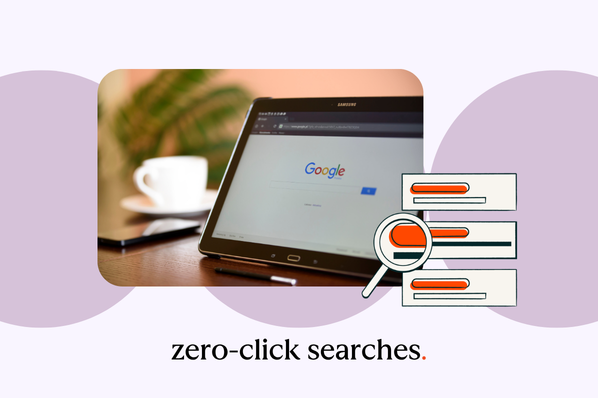
Search engines are no longer simple gateways to websites. The rise of zero-click searches—where users get their answers directly on the search results page without visiting any website—is profoundly disrupting SEO and marketing funnels. Bain & Company reports that 80% of consumers rely on these results for at least 40% of their searches. While impressions may rise in some cases, organic traffic has dropped by 15% to 25%, forcing teams to rethink how success is measured and achieved in the AI-driven world of search.
Zero-click searches are not inherently negative. They create opportunities for brand visibility and recognition, but they also demand a shift in strategy. Traditional SEO metrics like organic sessions and CTR are increasingly insufficient. To thrive, businesses must embrace answer engine optimization (AEO) and adapt to how AI platforms synthesize and surface information.
Understanding Zero-Click Searches
Zero-click searches occur when search engine users find answers directly on the SERP via features such as featured snippets, knowledge panels, People Also Ask (PAA) boxes, local packs, and AI-generated overviews. These formats offer convenience to users but diminish the need to click through to external websites.
AI-driven results like Google’s AI Overview and similar tools aggregate data from multiple sources to provide synthesized answers. For example, typing “best CRM for small businesses” might generate an AI Overview that lists top options alongside citations from authoritative sources, potentially bypassing visits to individual websites.
The Impact on the Marketing Funnel
Zero-click searches have reshaped the marketing funnel. Here’s how they affect each stage of the buyer’s journey:
Awareness
The SERP has become a branding battleground. Brands cited in AI Overviews or featured snippets gain visibility, while those further down the page are often ignored. For example, a query about “enterprise content marketing tools” might lead users to shortlist vendors directly from an AI Overview. This makes being cited a critical component of top-of-funnel strategies.
Consideration
During the consideration phase, repeated citations in SERP features build trust and familiarity. If your brand is referenced in multiple snippets and PAA answers, potential buyers begin associating your expertise with their research, even without visiting your site.
Conversion
Conversion-stage queries are less affected by zero-click behavior. Many high-intent searches, such as “buy [product]” or “schedule consultation,” still drive traffic to websites. However, optimizing your content for direct conversion paths remains essential, especially as AI citations prequalify leads who arrive with greater intent.
Adapting SEO for Zero-Click Searches
To succeed in the zero-click landscape, you must evolve your SEO strategy into AEO—Answer Engine Optimization. Here are actionable steps to adapt:
Revise Metrics and KPIs
Traditional metrics like organic sessions are no longer sufficient. Supplement your KPIs with:
- Impression share for keyword clusters
- Featured snippet and AI Overview ownership rates
- Pipeline influenced by organic touchpoints
This reframing enables you to demonstrate influence and defend against traffic declines in internal reporting.
Optimize Content for Direct Answers
AI systems prioritize content that delivers clear, concise answers. Structure your content to align with their needs:
- Start each section with a 40–60 word direct answer.
- Use question-based headers (e.g., “What is zero-click SEO?”).
- Format information with tables, lists, and FAQ schema.
Prioritize reformatting pages with strong impressions but declining CTR to compete for snippet eligibility.
Leverage Structured Data
Implement schema markup to enhance eligibility for rich SERP features. Focus on:
- FAQ schema for expandable answers
- Article schema for editorial content
- Organization schema for knowledge panel visibility
- LocalBusiness schema for local pack placement
Validate your schema using Google’s Rich Results Test to ensure compatibility.
Focus on Commercial Intent
Reduce investment in purely informational content that AI answers efficiently. Instead, prioritize:
- Comparison content (e.g., “X vs. Y”)
- Proprietary research or unique insights
- Interactive tools like calculators and templates
These formats drive engagement while bypassing AI's ability to summarize static information.
When to Pursue Zero-Click Keywords
Not all keywords warrant zero-click optimization. Use these guidelines:
Pursue When:
- The keyword has commercial or navigational intent.
- You aim for brand awareness at scale.
- You can provide differentiated data or insights.
- The content is close to snippet-eligible with minor adjustments.
Avoid When:
- The query is purely informational with low commercial value.
- Winning the snippet could cannibalize traffic to higher-value pages.
Run experiments to validate whether zero-click optimization delivers measurable ROI before scaling efforts.
Measuring Zero-Click Impact
Track performance with a mix of SERP visibility, brand influence, and pipeline metrics:
- Impression share for clusters
- Snippet and AI Overview ownership rates
- Branded search volume growth
- Assisted conversions tied to zero-click traffic
Build a monthly reporting cadence to identify trends and refine your strategy.
What This Means For You
The era of zero-click searches demands a pivot from traditional SEO tactics to AEO strategies. To stay competitive:
- Reframe your success metrics to prioritize influence over traffic.
- Structure content for answer-first eligibility to secure AI citations.
- Invest in schema markup and third-party credibility to bolster SERP visibility.
- Target commercial intent keywords and reduce dependence on purely informational content.
Ultimately, visibility in zero-click searches isn’t about losing traffic—it’s about gaining influence. By adapting quickly, your brand can position itself as a trusted authority in AI-driven SERPs.
Key Takeaways
- Zero-click searches are reshaping SEO, reducing traditional web traffic but increasing brand visibility.
- Answer Engine Optimization (AEO) focuses on securing citations in rich SERP features like AI Overviews.
- Adapt content to prioritize direct answers and implement structured data for better SERP eligibility.
- Measure success using impression share, brand mentions, and pipeline influence rather than just traffic.
Next move
Continue the operator thread — or move from reading to execution.
Continue reading
More Originae insights from the same operating thread.
How HubSpot Mastered AI-Driven Answer Engine Optimization
HubSpot leveraged answer engine optimization (AEO) to dominate AI search visibility. Here's how they built, measured, and scaled their strategy.

Why AI Prioritizes Brand Meaning Over Media Spend
AI systems reward brands with clarity and trust signals, while punishing transactional marketing approaches, reshaping long-term visibility strategies.

Assessing the Health of Your Martech Stack in 2026
Is your martech stack evolving efficiently or quietly draining resources? Explore key insights from the 2026 State of Your Stack survey.